Five New Education Equity Fund Grants Put Students, Families and Communities at the Center of Educational Change
College Spark Washington awards $900,000 to five projects working to advance educational equity across Washington state.
What changes when students, families and communities have a meaningful role in shaping the educational systems that affect their lives?
This September, College Spark Washington’s Education Equity Fund (EEF) awarded $900,000 in new grants to five organizations working to make Washington’s education systems more equitable, inclusive and responsive to community needs. Each organization will receive $180,000 over three years to advance approaches that center community knowledge, strengthen leadership and address systemic barriers to student success.
From preparing educators to better serve Indigenous students to equipping young people to advocate for policy change, these projects share a common belief: those closest to educational inequities have essential knowledge and expertise to help transform the systems that perpetuate them.
Meet the five new grantees and learn how their work will help advance educational equity across Washington.
Northwest Educational Service District 189: Interrupting Hate Speech
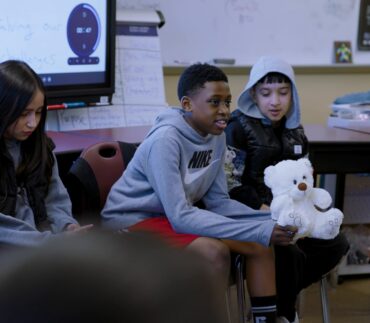
Every student deserves to learn in a school where they feel safe, respected and included. Yet when incidents of hate speech go unaddressed, students can lose trust in their schools and feel disconnected from their education.
Northwest Educational Service District 189 (NWESD) will expand a pilot program into a regional effort to help schools prevent and respond to hate speech more consistently. The project will train 20 teams of middle school, high school and district leaders across 35 school districts in Whatcom, Skagit, Snohomish, Island and San Juan counties.
Through a six-month learning cohort, participants will develop practical strategies for recognizing harm, facilitating restorative conversations when appropriate, strengthening accountability and building coordinated schoolwide responses. Schools will also work alongside students, families and community organizations to develop implementation plans and embed sustainable practices into district operations.
By building the capacity of educators and school leaders to address hate speech proactively, NWESD aims to foster more inclusive school environments where all students can thrive.

Every student deserves to learn in a school where they feel safe, respected and included.
Voice to Power Lab: Building Community Power and Institutional Readiness
Families bring invaluable knowledge about their children’s educational experiences. Voice to Power Lab is working to ensure that schools recognize that knowledge as expertise—and use it to shape decisions.
The organization will develop an antiracist parent leadership model that prepares caregivers to lead professional learning for educators and school leaders on effective, equitable family engagement.
Through an eight-week parent leadership institute, participants will build facilitation skills, receive coaching and develop the tools to share their experiences and community knowledge with schools. Voice to Power Lab will also partner with district leaders to prepare schools to welcome parents as professional learning facilitators and genuine partners in decision-making.
The project represents a shift from asking families to adapt to school systems toward helping school systems become more responsive to families. By strengthening relationships between caregivers and educators, Voice to Power Lab aims to make family expertise an integral part of improving student outcomes.


Washington Alliance for Better Schools: Natural Leaders
Families should be more than participants in their children’s education. They should be partners in shaping the schools and systems their children experience.
Through its Natural Leaders program, the Washington Alliance for Better Schools (WABS) will expand opportunities for families to influence educational change through its Family Leadership Academy. The program will serve approximately 150–210 family members annually across participating school districts.
Families will learn about career readiness, navigating school systems and developing their leadership skills. They will then design and implement projects that address priorities within their own school communities. To make participation more accessible, WABS will provide food, childcare and participant stipends.
School staff will participate alongside families, with training in equity and bias to help districts build their own capacity to receive and respond to family leadership.
Building on a program redesign informed by feedback from 275 family participants, WABS is advancing a model in which families help shape solutions rather than simply receiving services. The goal is stronger school-family partnerships and educational environments that better reflect the needs, strengths and priorities of their communities.

Western Washington University: Advancing Tribal Sovereignty and Indigenous Student Success
Preparing educators to serve Indigenous students well requires more than adding Indigenous perspectives to a lesson. It requires meaningful partnerships with Tribal Nations and a commitment to centering Indigenous knowledge throughout teacher preparation.
Western Washington University’s Woodring College of Education will work to embed Tribal sovereignty, Indigenous knowledge systems and culturally sustaining pedagogy across its teacher and educational leadership preparation programs.
The project will establish a paid Indigenous Advisory Board to guide curriculum, policy and program development in alignment with Tribal sovereignty and Indigenous community priorities. It will also support sustained faculty professional development and curriculum redesign, including integrating the John McCoy (lulilaš) Since Time Immemorial curriculum across programs and endorsement areas.
By positioning Indigenous leaders as partners in institutional governance and redesigning how future educators are prepared, WWU aims to create lasting change in teacher education. The work will help prepare educators to teach in ways that affirm Indigenous identities, histories, languages and cultural practices—and support Indigenous student success.
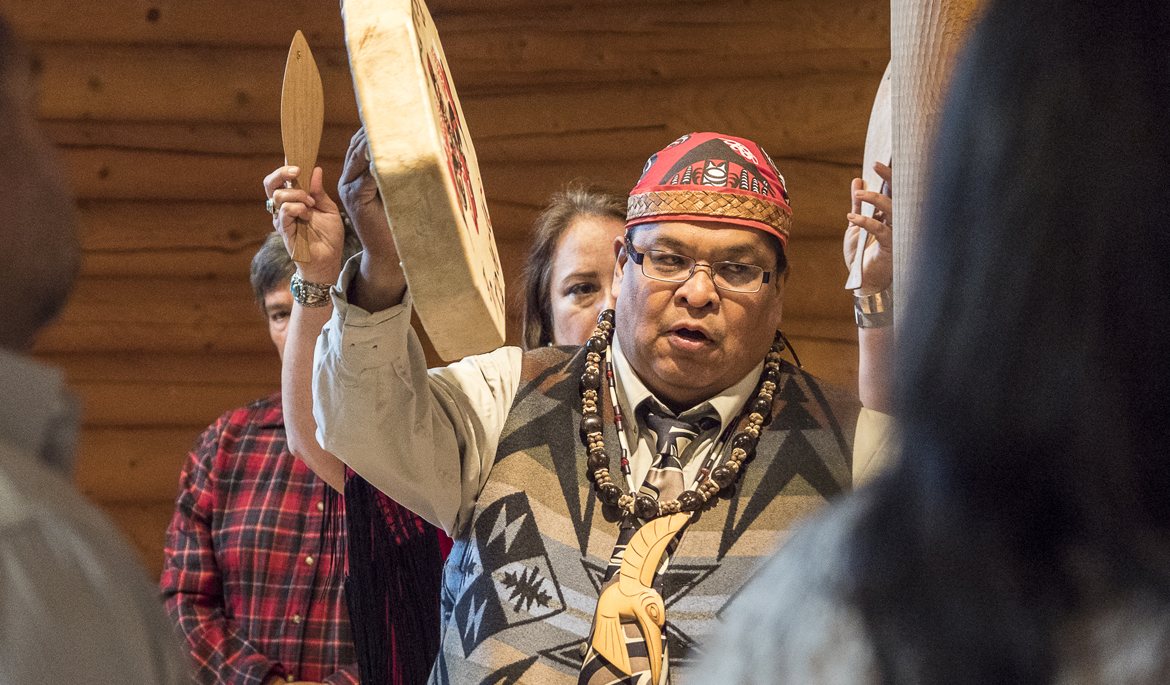
WWU is partnering with Indigenous leaders to transform teacher preparation.
You Grow Girl: Access and Belonging Project
Young people who experience educational inequities often understand those barriers firsthand. You Grow Girl is creating opportunities for youth to turn that experience into leadership and meaningful systems change.
The Access and Belonging Project will equip 40–60 girls and gender-expansive youth of color annually with the knowledge and skills to identify and challenge inequitable policies and practices in their high schools and community and technical colleges.
Participants will learn to examine education data, understand policy, identify opportunity gaps and develop evidence-informed recommendations grounded in their lived experiences. You Grow Girl will facilitate ongoing conversations between youth, educators and institutional leaders so students can share their recommendations directly with decision-makers.
The project will also offer professional learning for educators and college student services staff, helping institutions strengthen culturally responsive practices and respond more effectively to student priorities.
By connecting youth leadership with institutional learning, You Grow Girl aims to strengthen student belonging, expand equitable educational opportunities and support policy and practice changes that benefit future students.



“Lasting educational equity requires more than expanding opportunities within existing systems—it requires listening to the people most affected by those systems and creating meaningful ways for them to shape change. These five organizations are advancing that work by centering student voice, family leadership, Indigenous knowledge and community expertise. We’re proud to support their efforts to build more equitable educational experiences for students across Washington.
”
Investing in community-led change
Although these five projects take different approaches, they share a commitment to transforming the systems that shape students’ educational experiences.
They recognize that lasting progress requires more than supporting individual students to navigate existing barriers. It also requires changing the policies, practices and institutional relationships that create those barriers in the first place.
Through the Education Equity Fund, College Spark Washington invests in organizations that bring community knowledge, leadership and lived experience into the work of creating more equitable education systems.
We congratulate our five new grantees and look forward to learning alongside them as they work with students, families, educators and communities to build educational environments where every student has the opportunity to thrive.