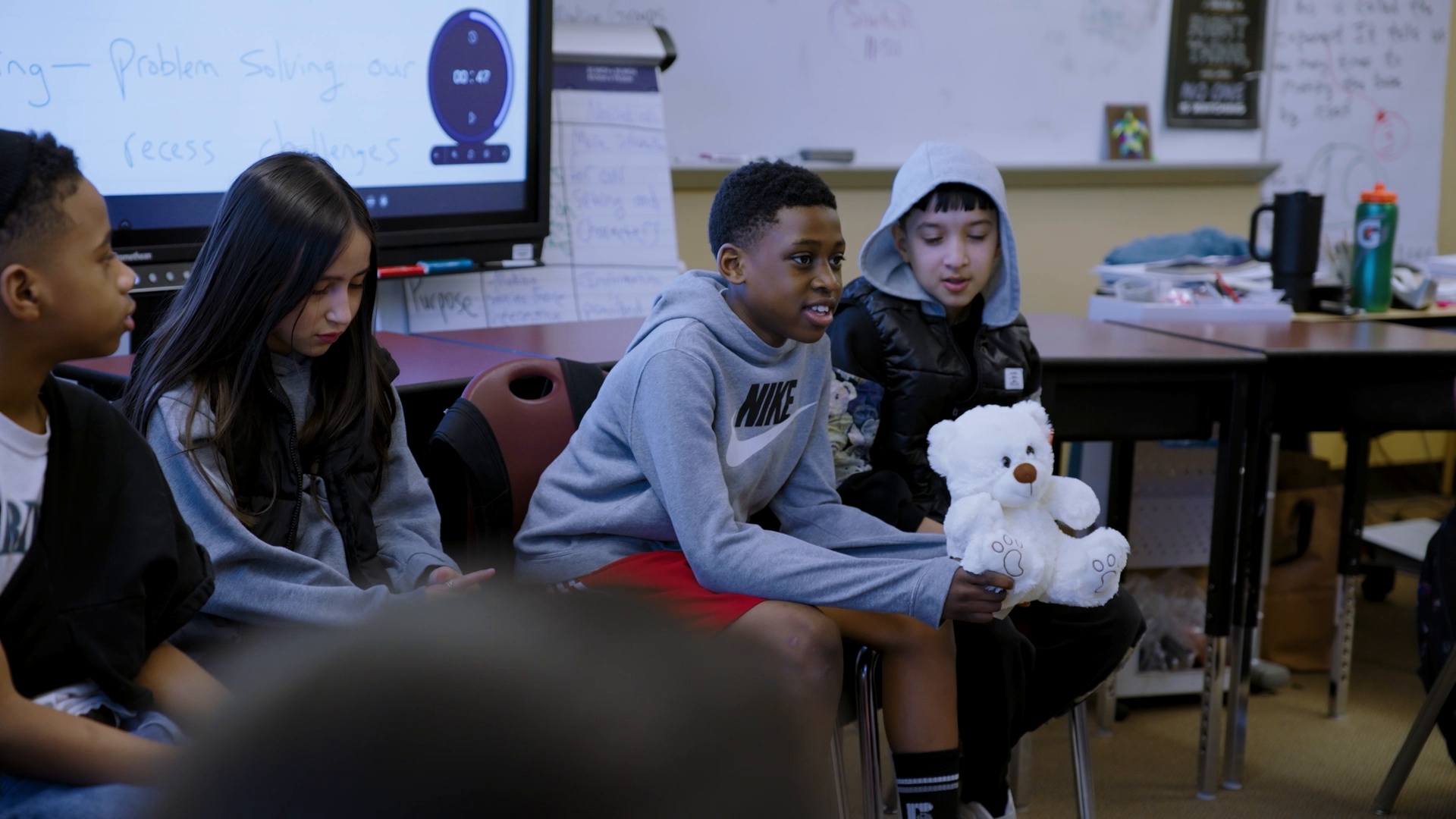
Teaching Regulation, Building Belonging: Why Emotional Regulation Matters for Every Student
When a student shuts down, lashes out, or seems disengaged, it’s easy to focus on the behavior. But what if those moments are actually telling us something deeper?
What often looks like defiance or disruption is frequently a young person’s nervous system searching for safety and control. Students today are navigating increasing uncertainty and inequity, and those experiences shape how they show up in classrooms every day. As the video from Belong Partners reminds us, emotional regulation isn’t just a “nice-to-have” skill—it’s foundational for learning.
At College Spark Washington, we believe every student deserves to feel seen, valued, and supported in environments where they can thrive. Creating those environments begins with belonging.
Belonging Creates the Conditions for Learning
Learning doesn’t happen in isolation. It happens in relationships.
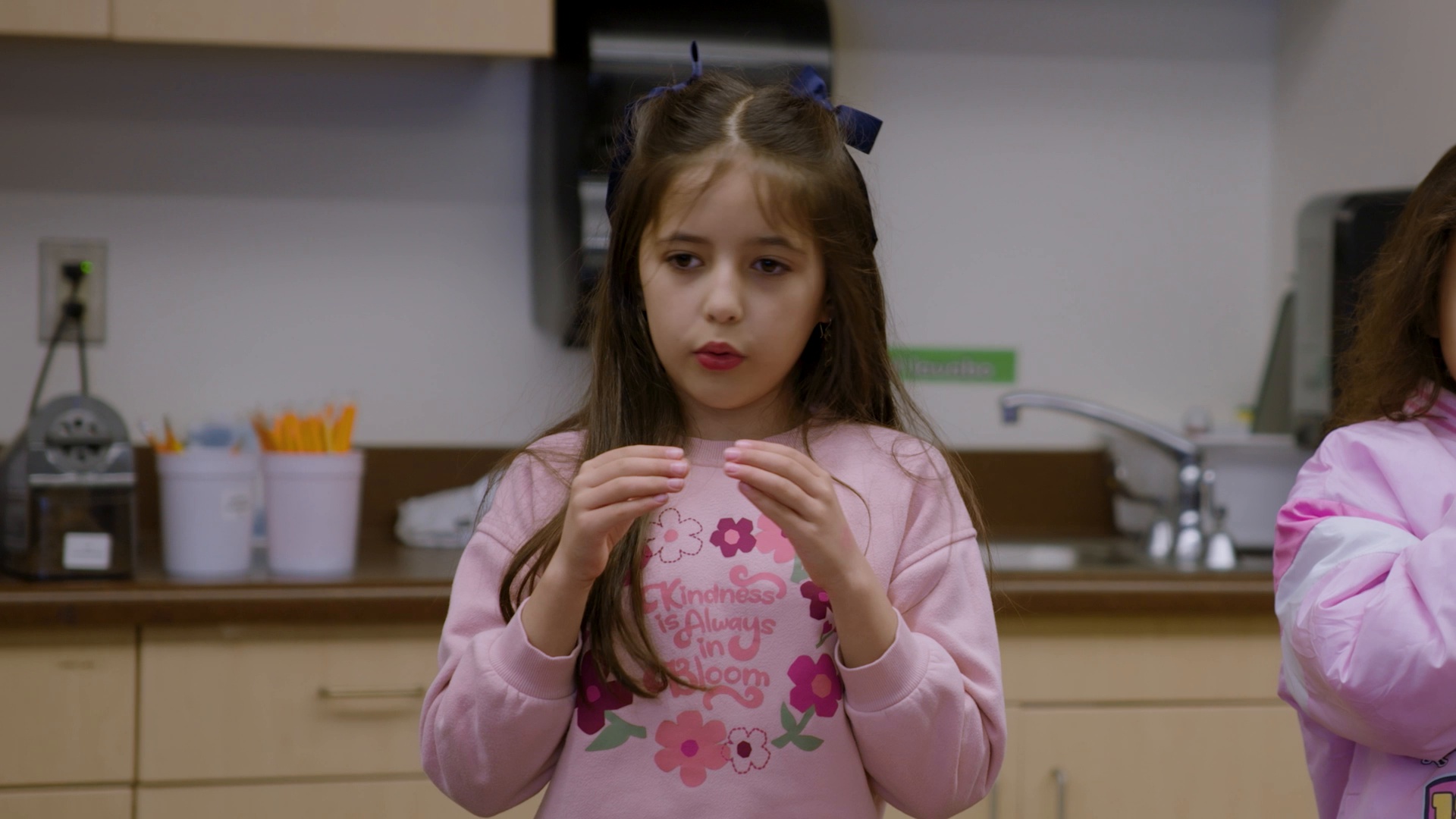
When students experience belonging, they are more willing to take academic risks, ask questions, collaborate with peers, and persist through challenges. But when they feel overwhelmed, disconnected, or unsafe, the brain shifts into survival mode. In those moments, students aren’t choosing not to learn—they often can’t access the parts of their brain needed for focus, problem-solving, and self-control.
Supporting emotional regulation helps students return to a place where learning becomes possible.
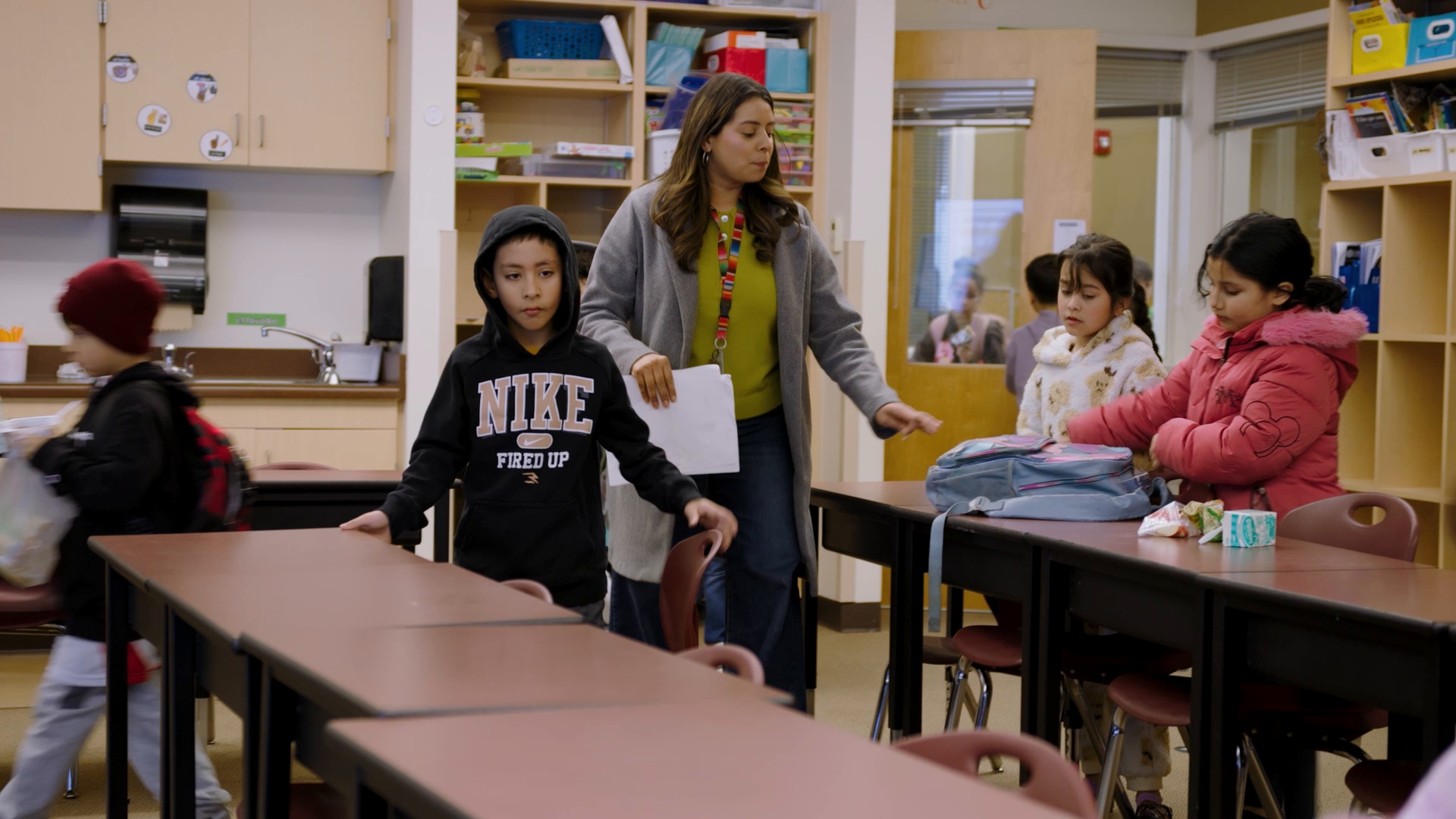
As Inez Mejia, second grade teacher, explains:
“Kids are learning through the regulation strategies that it’s okay to feel the breadth of your emotions, that there really is no negative emotion. It’s how we channel them that really impacts ourselves.”
These moments communicate something powerful to students: your feelings matter, and you matter.
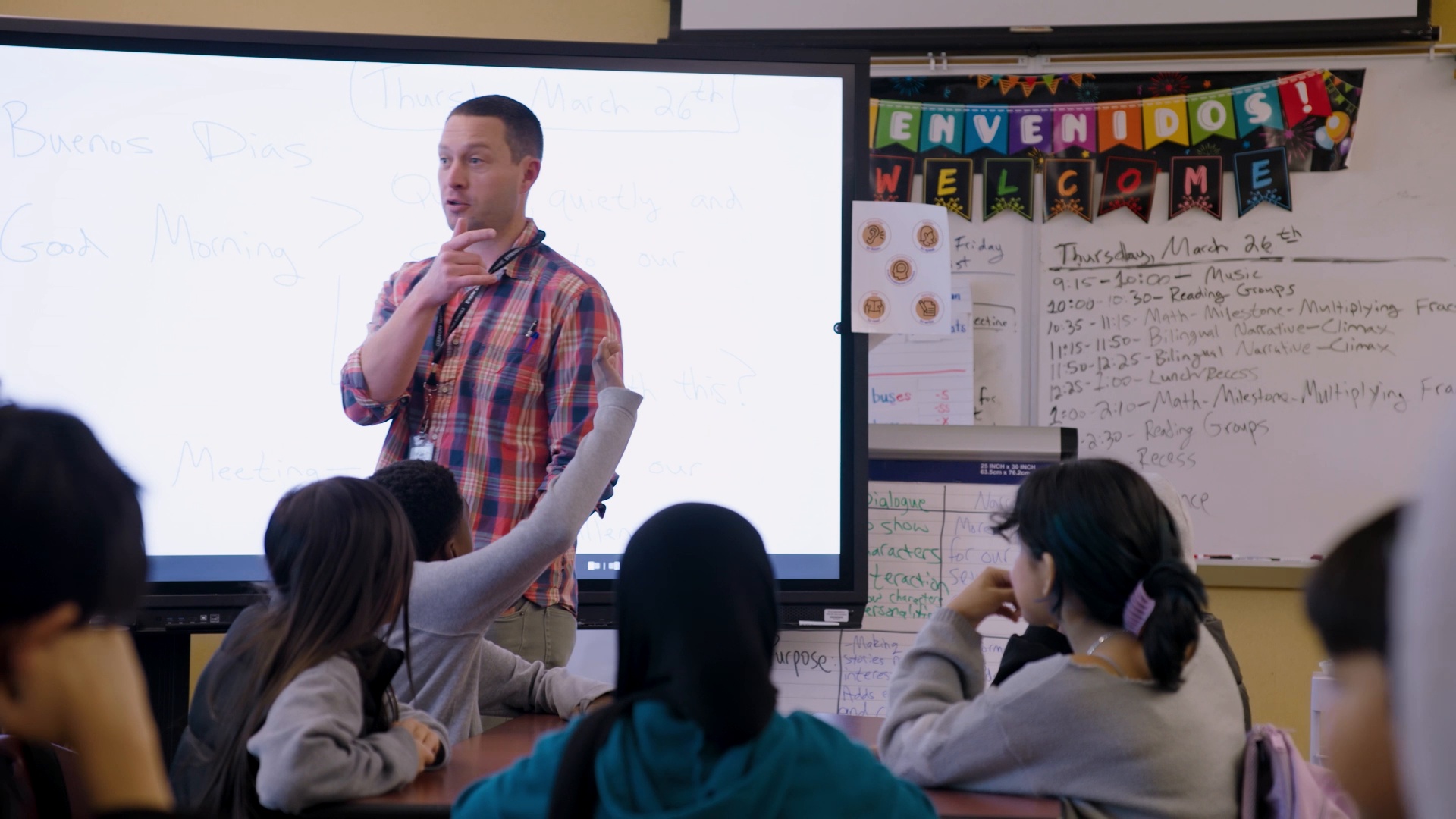
Regulation Is a Skill We Can Teach
Just like reading, writing, or mathematics, regulation can be learned and strengthened over time.
Sometimes that looks like taking slow, intentional breaths. Other times it means moving our bodies, pausing for mindfulness, or simply feeling heard by a trusted adult. Belong Partners’ Regulation Tool Cards offer more than 50 simple strategies educators and students can practice together throughout the school day, creating a shared language for recognizing emotions and responding with care instead of judgment.
These everyday practices reinforce a student-centered approach to learning. Rather than asking, “What’s wrong with this student?” we begin asking, “What does this student need right now to reconnect with learning?”
Belonging Is Built Together
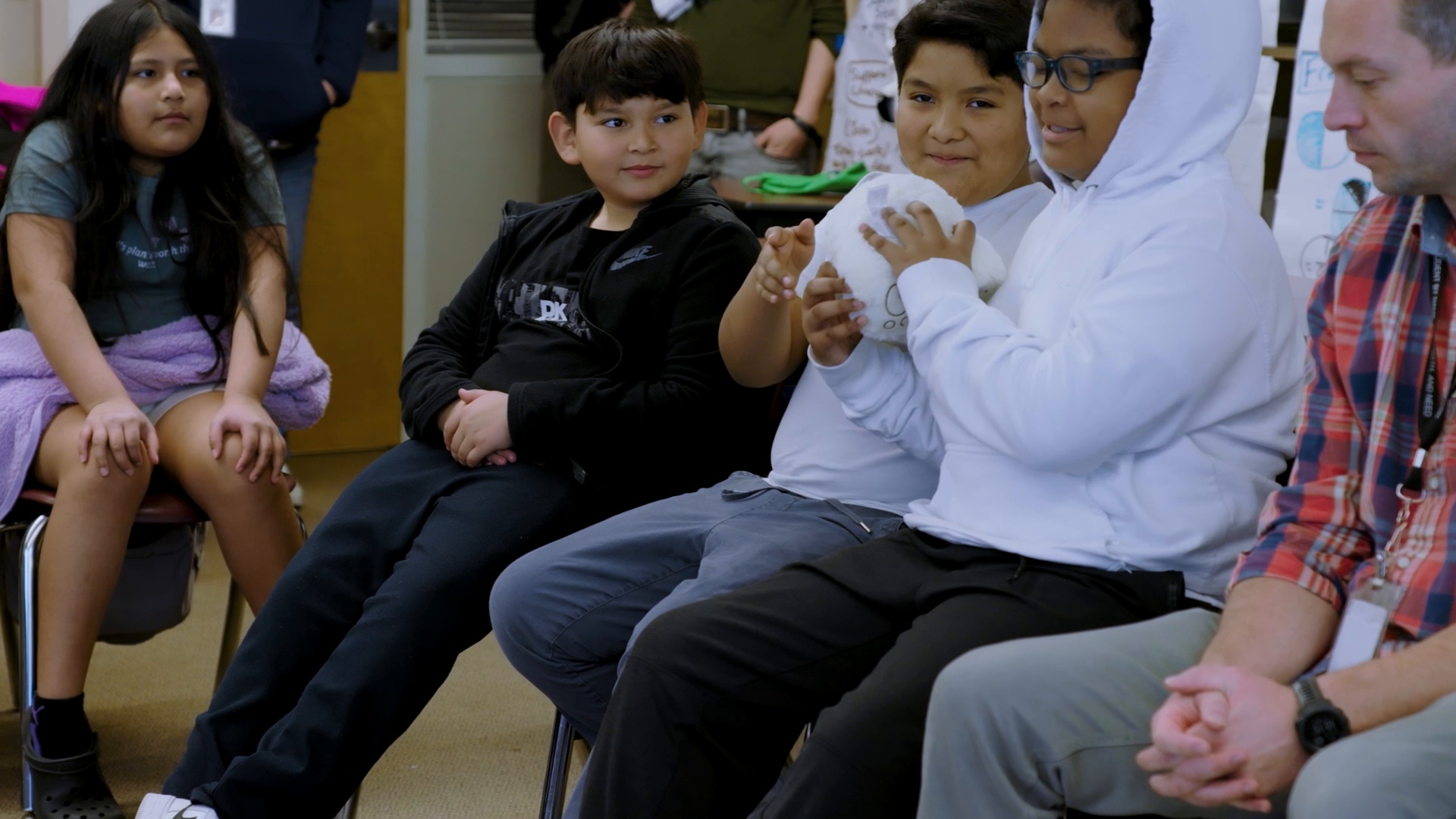
One of the most compelling ideas in the video is that regulation is not an individual responsibility—it’s a community practice.
Because of mirror neurons, humans naturally respond to the emotions and energy of those around them. When educators intentionally model calm, curiosity, and compassion, students learn to do the same. Over time, classrooms become places where students support one another and collectively create environments where everyone can succeed.
Lyon Terry, Principal at Midway Elementary, shares:
“We’ve leaned into regulation strategies as a school because we know that these strategies really help our students access their emotions and their feelings and allow them to learn.”
That vision aligns closely with College Spark’s commitment to student-centered learning—where students’ identities, experiences, and well-being are recognized as essential to educational success.
“Teaching emotional regulation is quietly radical. It means we value connection over compliance and humanity over productivity... we're not just preparing students for tests or jobs, we're raising future contributors to joyful and equitable communities.”
A More Equitable Future Starts with Connection
Teaching emotional regulation won’t solve every systemic challenge facing education. But it equips young people—and the adults who support them—with the clarity, resilience, and connection needed to meet those challenges together.
The video closes with a message that resonates deeply with College Spark’s mission:
“Teaching emotional regulation is quietly radical. It means we value connection over compliance and humanity over productivity… we’re not just preparing students for tests or jobs, we’re raising future contributors to joyful and equitable communities.”
When schools intentionally cultivate belonging, emotional safety, and meaningful relationships, students don’t just achieve more academically—they develop the confidence to bring their full selves into the classroom and into their communities.
That’s the kind of education system College Spark envisions: one where every learner is known, every voice is valued, and every student has the opportunity to realize their dreams.